
Conference program
The conference theme was: ‘A Thriving Intelligence Profession’. Within that theme, we explored the sub-themes of Leadership, Transformation, and Empowerment – each factor represented what was needed to sustain and build the intelligence profession in Australia for the complex and challenging future.
Our highly interconnected world is being reshaped by strategic competition, with growing complexity arising at the national and local levels.
A thriving intelligence profession hinges on effective leadership, transformation, and empowerment to navigate the complexities of an ever-changing global landscape. Leadership provides the strategic vision and direction to guide teams through routine and unprecedented challenges, ensuring that intelligence operations remain agile and responsive. Transformation is equally crucial, as it involves embracing innovative technologies and methodologies to stay ahead of evolving threats and enhancing operational capabilities. Empowerment complements these elements by fostering a culture where intelligence professionals are encouraged to develop skills, contribute ideas, and take ownership of their roles. Together, these factors drive a dynamic and resilient intelligence community capable of addressing emerging issues with foresight and precision, ultimately supporting robust national security and informed decision-making.
The conference represented the broad diversity of different domains of intelligence practice and the critical role and influence each domain had in securing our defence, security, and well-being.
The program page was designed to be explored using different filters. Attendees used the checkboxes to select by Conference subtheme/s or topics (as many as they liked) to browse the most relevant sessions.

In an era of information overload and fast-evolving threats, intelligence professionals must sift through noise to uncover actionable insights at an increasing rate to stay relevant to decision-makers. This interactive session explores how advanced analytics and artificial intelligence, can transform multiple aspects of the intelligence lifecycle — from data collection to strategic decision-making.
Participants will collaborate on real-world scenarios, apply structured brainstorming techniques, and explore practical tools for integrating structured and unstructured data to achieve mission-critical outcomes.
Key Themes:
Modernising the Intelligence Lifecycle
Streamlining intelligence workflows with an analytics-ready framework.From Reactive to Pro-active
Harnessing AI to pre-empt threats and shift from post-event analysis to foresight.Integrating Unstructured and Structured Data
Merging criminal records, surveillance, OSINT, and human intelligence for better context.Human Intuition bolstered by Systematic AI Support
Empowering analysts with augmented decision-making, not replacing them.What Could Go Wrong?
Identifying risks in data quality, AI bias, and analytical overconfidence — and how to mitigate them.
Interactive Components:
Scenario-Based Breakouts
Work through simulated threat environments and intelligence assessment using analytics.Data Friction Mapping
Identify where intelligence workflows stall and ideate tech/process solutions.Design Thinking Sprint
Map out the blueprint for a future-proof, analytics-enabled intelligence function.
Key Takeaways:
Tactical ideas to enhance analytical capability and reduce decision lag.
Peer-driven insights on tech adoption, data integration, and institutional reform.
Exposure to the SAS "Data-Driven Intelligence Maturity Framework."
Since 2004, regularly scheduled independent intelligence reviews have charted the course for the national intelligence community, providing a uniquely Australian preference for ‘check-ups’ over ‘postmortems’. The 2024 review by Heather Smith and Richard Maude, released publicly earlier this year, sets out a vision for an Australian intelligence that is better integrated into broader policy and decision-making, skilled and enabled – and better prepared for future disruption and conflict. But what does this mean for Australia’s intelligence agencies, the nation’s intelligence professionals, and the private sector whose capabilities and services underpin their work? Where are the vulnerabilities and pitfalls? What was missed? And what will Australian intelligence look like by the end of the decade?

The prevalence of digital technology in crimes and at crime scenes and how law enforcement agencies can use that technology to catch perpetrators. The talk will explore how agencies can deploy the best-in-class solutions and systems to take advantage of these technologies before the perpetrator acts again, thereby preventing future crimes, ensuring public safety, and protecting your agency’s reputation.

Discussion on the size, scale and scope of planning for an Olympic Games, the history of challenges the Olympics have presented and the key challenges for leadership in intelligence.
Co-presented with Bianca Ramirez
Aggression and violence are integral and complex components of human behaviour. History has shown that displays of violence and aggression are inevitable when dealing with people in the private and public sector customer service industries, such as retail, banking and service providers. This paper will refer to violence against staff as customer aggression, which is generally managed in part, by threat intelligence teams. The concept of ‘Threat’ is predominantly relied on to tackle this issue through applying the traditional ‘Threat Assessment Process’ to anticipate and mitigate customer aggression.
In applying grounded theory to instances of customer aggression within Services Australia, this paper proposes a new approach to assess these threats. The new approach is called Residual/Impulsive Threat (RIT). It is proposed that RIT is more precise in anticipating, detecting, mitigating and preventing customer aggression than the traditional approach. It does this by applying the individuals’ characteristics, environment and circumstance to enhance the threat assessment picture. RIT is based on the components of, ‘Vulnerability’, ‘Opportunity’ and the presence of ‘Trigger/s’. This paper is constructed from a practitioner’s perspective, empowering a thriving intelligence profession through the application of research and the transformation of new knowledge to the emerging field of threat intelligence.
Human source intelligence is critical to the successful disruption of threat actors across a variety of intelligence topics. This remains true for sports integrity, with most of the high-impact cases arising from human source operations in one way or another. However, traditional human source operations are typically supported by extensive financial and human resources, as well as legislative frameworks to help shape the environment in favour of the human source operators.
The paper argues for greater professional understanding of the meaning and intent of intelligence as a function, and thus the various tradecraft underpinning the profession. For intelligence to become a fully-fledged profession, it needs a sense of the trade skills and craft. One's view on the various definitions of intelligence can confuse the skills we wish to exemplify and those that are seen in common practice. Hence, to understand the forms of tradecraft, the paper examines the weakness of narrowly defining intelligence as the product of analysis of information, which leads to a sense of tradecraft being related to analytical techniques.
Recent global examples of intelligence services acting to disrupt, subvert and destroy are used to highlight the limitations of the analytical tradecraft view. Some answers are examined from the counterintelligence perspective, which traditionally considers intelligence through the lens of espionage, sabotage, subversion and terrorism. The paper supports a more functional view of intelligence and aligns this view with the forms of tradecraft most applicable to security, enforcement, regulatory and commercial intelligence.
The use of deception to achieve advantage in conflict and competition is as old as civilisation. But recent technological advances – particularly those relating to social media – have empowered deception-based stratagems to a historically unprecedented extent. The employment of deception by malign actors has societal-level consequences, impacting upon the work of many professions. But arguably the profession most impacted here is the intelligence analyst: whose core role is to separate falsehood from truth and to advise accordingly. It is therefore critical that intelligence analysts are appropriately prepared to recognise and counter deception in the contemporary era.
In this paper we investigate the increased significance of deception in the contemporary era, and how to build analyst capacity and resilience to address it. The paper opens by describing the drivers that have increased the utility of deception in the contemporary era. The paper then discusses the success mechanisms of deception arising from cognitive psychology. The paper then uses three vignettes – drawn from the military, public health, and whole of nation security domains - to demonstrate the requirement for analysts to identify and counter deception. The paper then concludes with a discussion of how to foster increased analyst capability and resilience to detect deception.
Current high-tech, big data and AI-driven intelligence platforms now dominate the open source intelligence (OSINT) world, but many OSINT teams don't have the ability or budgets to procure these services. Instead, many investigations are run on minimal technology, using manual processes that demand skill and perseverance from analysts.
This session aims to explain how to get started within the exciting world of OSINT, satisfying operational RFIs and prosecuting intelligence missions within minimal budgets and limited technology support. High level considerations for mission management, security and legal compliance will be covered, along with ideas of where to start developing technical skills and tradecraft. A resource pack with all the references will be made available to attendees.
As the challenges of a complex and dynamic domestic and global environment continue to expand and intensify, a more robust and adaptable intelligence workforce is required. Effective and forward-looking intelligence leadership will be a critical enabler of intelligence capability, particularly at the intersection with evolving technologies, and intelligence leadership as a profession will require advancement.
The Leadership Trends in Intelligence study examined the current state of leadership practices, culture, and effectiveness within the intelligence sector. It aims to provide insights into how to professionalise the capabilities of intelligence leaders to meet current and future demands on the sector. The study adopted a mixed-methods approach, combining a documentary review with qualitative and quantitative findings.
The research identifies the strengths and weaknesses of leadership traits and skills, while also highlighting key leadership challenges. It provides evidence to support strategies for enhancing intelligence leadership at all levels, ensuring leaders can adapt to the evolving intelligence environment and strengthen the performance, adaptability, and culture of intelligence organisations. The findings will serve as a valuable guide for developing leadership skills programs targeted for the intelligence sector, promoting inclusive cultures, enhancing succession planning and talent retention, reinforcing accountability, and ensuring effective leadership to meet the sector’s evolving challenges.
The sovereign citizen movement continues to present a persistent and evolving threat to government organisations, intelligence agencies, and national security professionals. Rejecting legitimate governmental authority, these groups rely on pseudo-legal ideologies and engage in activities designed to disrupt administrative and legal processes. Their tactics range from frivolous litigation and financial misrepresentation to obstruction of government functions. In more extreme cases, their actions escalate to harassment of public officials and violent extremism. These behaviours generate complex operational risks that demand a proactive and coordinated governmental response.
This paper proposes that empowered and strategic leadership, combined with integrated intelligence, is critical to transforming governmental capabilities in addressing the sovereign citizen threat. Organisational transformation driven by strategic leadership enables government bodies to meet these challenges with greater coherence, agility, and resilience. A comprehensive intelligence strategy integrating Open-Source Intelligence (OSINT), Human Intelligence (HUMINT), Signals Intelligence (SIGINT), and Legal Intelligence (LEGINT) - enhances the capacity to identify networks, monitor emerging threats, and prevent disruption.
Beyond surveillance and legal mechanisms, strategic leadership is central to facilitating inter-agency collaboration, equipping personnel with specialised training, and cultivating agile, intelligence-informed responses grounded in critical reasoning. Leadership-led initiatives that promote organisational transformation also include public awareness campaigns aimed at countering misinformation and reducing ideological recruitment, thereby limiting the reach and impact of sovereign citizen movements.

Address title: The ever increasing need for Intelligence

This session, presented by Penlink, a leader in the field of publicly available information (PAI) collection, analysis and monitoring, explores the evolution from generative AI to agentic AI within digital intelligence. We’ll define these concepts and illustrate how agentic AI unlocks new capabilities in analyzing publicly available information. Along the way, we’ll touch on Penlink’s innovative approaches that align with this transformation, while also addressing compliance and risk. This will provide a comprehensive view of how these cutting-edge technologies can be leveraged by analysts and investigators.
The modern intelligence enterprise is all about its workforce: its diversity, its focus on mission, its agility and creative spirit; it’s about the utilisation of the best technology; and, of course, about leadership. These things will ensure the ongoing delivery of our mission to protect Australia’s national interests during a period of rapid change. Director of the Australian Geospatial-Intelligence Organisation, Kathryn McMullan, shares her views on preparing for the future.
The operating environment for the intelligence profession is transformed. Today’s most pressing security threats – from espionage to supply chain risk, critical infrastructure sabotage to foreign interference – often sit outside government. Meanwhile, the geopolitical environment is deteriorating, shortening the warning time from threat to actual harm.
The creators and users of intelligence are more diverse than ever, the need for timely intelligence is acute, and intelligence professionals must cut through the noise of our hyper-digital world to have impact. Against this backdrop, this keynote will challenge myths that are holding the intelligence profession back, and how we can adapt.
Enhancing cultural and historical knowledge of Aboriginal & Torres Strait Islanders, Asian, and Pacific communities is critical for improving the accuracy and strategic relevance of Australian intelligence assessments. Given Australia’s geographic and socio-political connections to Asia and the Pacific, intelligence professionals must deepen their understanding of regional cultures, transnational dynamics, and security threats. Greater cultural competency fosters improved threat perception, regional awareness, and intelligence-gathering capabilities.
By incorporating Indigenous and minority perspectives, intelligence agencies can better assess emerging risks, such as geopolitical tensions, transnational crime, cyber threats, and foreign influence. Recognizing Indigenous knowledge systems, including holistic thinking and sustainability approaches, enriches intelligence methodologies and mitigates cognitive biases. Moreover, strengthening ties with diverse communities enhances cooperation, trust, and information-sharing, providing valuable insights into migration, economic trends, and security challenges.
As Australia deepens its engagement in the Indo-Pacific, intelligence professionals with expertise in regional cultures and political structures can offer nuanced assessments of international relations, trade security, and defence partnerships. Indigenous and Pacific perspectives on sovereignty, diplomacy, and environmental security contribute to strategic foresight. Integrating diverse viewpoints ultimately empowers intelligence professionals to provide more ethical, informed, and effective recommendations that strengthen national security and Australia’s role in the region.
Churchill Fellow Dan Strack presents insights from his international research into counter-threat finance (CTF) and its critical role in dismantling criminal, terrorist, and malign actor networks threatening Australia’s national security and interests.
Through his Fellowship travels across Europe and North America, Dan examined how leading jurisdictions identify and disrupt the financial lifelines of illicit networks—not only to investigate but to proactively degrade and dismantle their operations. His research focuses on practical frameworks and strategies that integrate financial disruption as a core part of national security and law enforcement efforts.
Dan’s presentation highlights real-world examples of cross-border cooperation, public–private partnerships, and the use of targeted financial measures to disrupt funding flows supporting organised crime, terrorism and malign activity. Attendees will gain an understanding of how CTF complements traditional enforcement approaches, shifting the focus from reactive investigations to strategic disruption of adversaries’ financial ecosystems.
This session is essential for intelligence practitioners, policymakers, and analysts seeking innovative approaches to safeguard Australia from complex and evolving threats by striking at their financial roots.
Ethical leadership is fundamental to a thriving intelligence profession, particularly in intelligence collection, where leaders must balance operational effectiveness, legal constraints, and moral responsibility. With experience in military intelligence operations and leading the development of an intelligence collection team within the WA Department of Justice, I have directly navigated the complex ethical dilemmas, strategic decisions, and operational challenges inherent in intelligence work. This paper explores how ethical leadership ensures integrity, transparency, and adaptability in intelligence collection across law enforcement, corrections, and national security sectors.
The ethical complexities of intelligence collection are best illustrated through the evaluation of major Australian intelligence operations that have shaped the profession. Operation Ironside, Operation Morpheus, and Operation Subjugate highlight critical leadership challenges, including oversight in covert surveillance, intelligence-sharing boundaries, and the balance between national security and civil liberties. These cases are examined to understand how leaders make ethical decisions in intelligence collection, mitigate risks of operational overreach, and uphold public trust while maintaining security priorities.
As intelligence evolves with AI, digital surveillance, and predictive analytics, ethical leadership is essential to prevent misuse. This paper presents a leadership framework to guide Australian intelligence teams in navigating intelligence collection challenges in 2025 and beyond.
Effective intelligence analysis is not just about collecting facts — it's about disciplined thinking under uncertainty. This session introduces core principles of analytic thinking and demonstrates how Structured Analytic Techniques (SATs) can make that thinking more transparent, rigorous, and creative. Structured Analytic Techniques offer the scaffolding analysts need to question assumptions, challenge biases, and generate actionable insight. Participants will gain an appreciation for how analysts reason, mitigate bias, and collaborate effectively.
The importance of communication is never more valuable than when writing an intelligence report. Effective communication is one of the most critical skills for success in the modern world. The ability to express yourself either written and/ or orally; clearly and persuasively is essential. Intelligence reports require concise content, insights that inform the reader, a clear sense of purpose and direction and above all critical thinking. The skills and abilities mentioned above are ma must have in every intelligence professional toolkit.
The importance of critical thinking which involves the ability to analyse complex and potentially numerous pieces of information, then evaluate arguments, and make evidence-based decisions requires a disciplined approach to problem-solving, and an openness to new ideas and perspectives.
This presentation examines the practical transformation of intelligence workflows through generative AI integration, drawing from leadership experience implementing Bard and Gemini tools across Google's Search Intelligence and Trust & Safety Intelligence Analysis teams. The session will explore how AI-powered workflows achieved efficiency gains at scale, focusing on successful integration strategies, operational challenges encountered, and lessons learned from both successes and failures in real-world deployment.
Attendees will gain actionable insights into practical AI transformation strategies, common implementation pitfalls to avoid, and proven approaches for enhancing intelligence workflows. The presentation will conclude with a brief look at emerging autonomous intelligence capabilities that represent the next opportunity for the profession.
As an emerging capability within the disaster management domain, early and sustained collaboration has been vital to building the Queensland Fire Department’s intelligence capability. This presentation offers insights into how QFD has partnered with external contractors to design new procedures, integrate cutting-edge technology, mentor personnel, and provided surge capability during times of crisis. Through case studies from the 2023 Bushfire Season and Tropical Cyclone Alfred, we explore how collaboration has delivered real, on-the-ground impact, and provide practical lessons and forward-looking recommendations on how collaboration can optimise capability development, and deliver better outcomes for the community.
How empowered individuals and teams elevate intelligence capability, resilience, and mission readiness in an unpredictable world.
In an era of accelerating complexity, where high-stakes decisions are made with high level uncertainty and risk, empowered human potential is the intelligence community’s greatest force multiplier. Yet, traditional leadership models and cultural norms can inadvertently suppress the very adaptability and innovation needed today. The Empowerment Code unpacks how intelligence leaders can create the conditions where critical thinking, accountability, and discretionary effort thrive. You’ll leave with actionable strategies to unlock empowered performance in yourself, your teams, and your wider organisation without sacrificing security or precision.
Key Takeaways:
Understand the link between empowerment, agility, and mission success in intelligence environments.
Understand the link between authentic psychological safety and empowered performance.
Apply practical leadership strategies to cultivate empowered thinking, resilience, and innovation across all levels of your intelligence organisation.
It's often said that data is the new gold, but like gold, its true value is only realized when it's refined and delivered at speed. The foundational principles of OSINT and Analysis remain, but the tools and nature of information are undergoing a seismic shift. The future is not about finding more data, but about mastering it in real-time.
This requires an AI-first approach to navigate synthetic media, deploy autonomous AI agents to detect the earliest signals, and transform those signals into actionable intelligence. The practitioner of the future is as much a commander of AI and a guardian of ethics as they are an analyst, focused on the speed and quality of decision-making.
Drawing on over 20 years as an OSINT pioneer, I'll share stories from National Security organisations already on this journey, offering a glimpse into what is not just possible, but what is already happening at the cutting edge of our profession.
The session will provide an overview of business activity intelligence (BizINT) and how it can inform investigations and the intelligence cycle.
The importance of reliable, multi-source data in intelligence and law enforcement
How a holistic approach—linking financial, corporate, and alternative data—enhances decision-making
Real-world examples of how comprehensive data transforms investigations
A case study regarding Operation Tyrrendor - How relationships and collaboration between the Queensland Police Service, Australian Federal Police, Australian Border Force and Queensland Corrective Services led to the largest cocaine seizure in Australia.
It addresses the purpose of empowering intelligence professionals within corporate settings. The presentation discusses managing fear, uncertainty, and doubt to achieve calm, clarity, and confidence - sharing experiences and observations in delivering intelligence for practical impact in a large corporate environment.
Step into the world of high-stakes decision-making with Pat Butler, a seasoned intelligence leader with over 30 years at the forefront of analytics and national security. In this thought-provoking talk, Mr. Butler shares powerful, real-world lessons learned from decades of navigating the complex landscapes of intelligence, leadership, and innovation. From pivotal moments in global events to the evolving role of open-source intelligence, discover how these experiences are now shaping cutting-edge solutions at Babel Street to tackle today’s most pressing risk and security challenges. Whether you’re a seasoned professional or new to the field, this conversation promises sharp insights and actionable takeaways for anyone operating in the modern intelligence arena.
Australia’s energy future is more interconnected with China than many realise — from port leases to supply chains, and even digital infrastructure. This presentation takes delegates inside an OSINT-led investigation that uncovers how Beijing’s influence extends into Australia’s LPG sector.
Delegates will learn:
• How open-source intelligence (OSINT) can reveal hidden dependencies in trade, ports, and corporate structures.
• Why China’s digital ecosystem and “Great Firewall” matter for intelligence professionals.
• The tools and techniques — from geospatial mapping to Chinese-language research — that can cut through censorship and uncover the real picture.
Join Emerald Sage (OSINT Combine) at AIPIO Intelligence Conference 2025 to see how open-source data can deconstruct complex geopolitical dependence — and what it means for Australia’s strategic resilience.
As threat actors increasingly exploit emerging technologies, national security and law enforcement professionals must modernize their investigative approaches to stay ahead. This session explores how blockchain intelligence and other digital tools are transforming the way intelligence teams operate.
Attendees will learn practical techniques for leveraging blockchain technology in support of criminal and national security investigations. Through real-world case studies, we’ll examine how intelligence teams are using on-chain data to identify actors, disrupt networks, and collaborate across agencies.
Designed for intelligence leaders, investigators, and operational teams, this session focuses on actionable strategies that enhance operational readiness. Whether you’re conducting tactical investigations or supporting digital intelligence functions, you’ll leave with decision-ready frameworks to strengthen your tradecraft and drive mission outcomes.
This presentation shares the outcomes of the David Irvine AO Missing Persons Intelligence Innovation Workshop, delivered with the support of the 2024 David Irvine AO Award bursary. The workshop brought together experts, practitioners, and partners to explore new approaches to intelligence-led responses in missing persons investigations. The session will provide an overview of Crime Stoppers International’s global initiative on missing persons, outline the key findings and insights that emerged from the workshop, and consider the way forward in strengthening collaboration, adopting new technologies, and shaping policy to improve outcomes for families and communities affected by these cases. Dedicated to the memory of Marcia Ryan, missing since 1996, the presentation underscores the enduring human impact that drives the need for continued innovation and action.
In a world where cyber operations increasingly intersect with geopolitics, cyber threat intelligence (CTI) is more than just a technical function. It’s a strategic capability. From identifying state-linked campaigns to informing risk decisions at the highest levels, CTI plays a growing role in shaping how organisations and governments respond to global instability.
This session explores how empowering CTI professionals, through access to meaningful data, multidisciplinary collaboration and a seat at the policy table, can elevate the profession and improve our collective ability to detect, understand and respond to threats with geopolitical impact. The session will look at what real empowerment looks like in practice, how to overcome organisational and cultural silos and why an informed, trusted CTI function is essential in today’s intelligence ecosystem.
Attendees will walk away with practical ideas for building more empowered, connected and strategic CTI teams, ready to navigate the risks of a shifting global landscape.
Insider Threats don’t grow in a vacuum, and they don’t develop overnight. They emerge over time and often begin sending alarm signals well in advance of causing real damage to an organisation. Yet Insider Threat responses are often made up of point solutions each viewing the risk through a different lense, so alarm signals get missed or are not recognised for what they are. In this session we will propose taking an organisational approach to treating Insider Threat risk that views the problem systemically and builds resilient systems to identify the alarm signals early and enable organisations to act decisively to mitigate harm.
Case study of an intelligence led response in the protest environment. Presentation will provide an overview of the joint intelligence capability successfully activated for Landforces in Victoria in 2024.
This presentation explores the evolving landscape of biometric technologies and their growing role in identity verification, surveillance, and security operations across physical, digital, and hybrid environments. From facial recognition and gait analysis to emerging behavioural and multi-modal biometrics, the session will examine how these tools are shaping contemporary intelligence practice.
With a focus on open source intelligence (OSINT) data sources and analysis, the presentation will unpack the opportunities biometric data presents for analysts—such as enhanced person-of-interest identification and cross-platform verification—while also critically assessing the limitations, false positives, and operational blind spots that may arise.
Importantly, we consider the legal, ethical, and privacy implications of biometric use in Australia, particularly in light of emerging regulations and community expectations.
We provide a forward-looking view on developments in biometric tech and how intelligence professionals can be empowered to harness them responsibly, ethically, and effectively.
Human source intelligence is critical to the successful disruption of threat actors across a variety of intelligence topics. This remains true for sports integrity, with most of the high-impact cases arising from human source operations in one way or another. However, traditional human source operations are typically supported by extensive financial and human resources, as well as legislative frameworks to help shape the environment in favour of the human source operators.
In sports integrity, an industry without the traditional intelligence structures and financial support, developing human source networks presents a unique challenge to intelligence practitioners. This is further complicated by the personalities and motivations of potential human source candidates within sports.
Join us as we explore the challenges of human source work in sports integrity, and dive into the innovative approaches being used by agencies to adapt traditional intelligence techniques to a non-traditional industry.
What does it take to lead when failure isn’t an option?
Drawing on extensive senior leadership experience across multiple sectors, Tom Rogers AO explores leadership under pressure, trust as a strategic asset, and the mindset needed to navigate complexity, risk, and public scrutiny in high-stakes, zero-fail environments.
This interactive session is designed for intelligence professionals, analysts, and decision-makers seeking to enhance their skills in producing effective threat and risk assessments. Participants will explore structured methodologies, including threat identification, risk evaluation, and mitigation strategies. The session will cover best practices in intelligence tradecraft, emphasising the importance of analytical rigor and critical thinking in an era of disinformation.
Attendees will gain a deeper understanding of how to assess and communicate risks effectively. The workshop aims to equip participants with practical tools to support informed decision-making in complex security environments.
Presented by Chantal Pavidian
Empowerment isn’t just a buzzword—it’s a force multiplier. In law enforcement and intelligence, many professionals operate within rigid hierarchies. So how do you lead when you’re not the leader?
This session explores how leadership, transformation and empowerment intersect to drive operational impact; and how intelligence professionals can influence change from any level. We’ll bust disempowering myths like “you have to wait your turn” and “you can’t challenge the brief,” showing how initiative, collaboration and strategic influence can reshape intelligence culture.
You’ll walk away with practical strategies to:
• Influence leadership without authority
• Build trust and voice in complex teams
• Contribute meaningfully, regardless of your rank
Whether you’re leading a team or just starting out, this session will equip you to help shape a more empowered, future ready intelligence environment.
Australia’s 2024 Independent Intelligence Review outlines the ways generative artificial intelligence (AI) could enhance the intelligence cycle. But in open-source intelligence (OSINT), that future is already here. As the most broadly accessible of all the INTs, OSINT practitioners are already incorporating AI into workflows - streamlining collection, accelerating processing, and enriching analysis. These capabilities are reshaping how intelligence is produced and used by decision-makers, whether for national security, law enforcement, or business purposes.
Although not a replacement for the analyst, AI is rapidly evolving from a force multiplier into an indispensable asset in intelligence-led decision-making. In this context, many leaders now face a new kind of risk - not a lack of capability, but a lack of visibility into the assumptions, automation, and analytical shortcuts shaping their decisions.
This paper explores the leadership blind spots that emerge when AI-augmented intelligence products are trusted without interrogating the processes behind them. Absent active leadership enquiry, AI can undermine intelligence-led decisions, obscuring judgement, reinforcing bias, and eroding trust. Insights from the paper include practical resources – most notably, a critical question framework for intelligent decision-making in the AI age.
The question isn’t whether AI is here - it’s whether we’re ready to lead through it - and thrive.
“The National Intelligence Community is required to respond in complex and changing circumstances to protect Australia’s security, prosperity and values”. The 2024 Intelligence Review stated that independent reviews of this nature ensure that our intelligence agencies remain ready to fulfil this mandate.
This complex and changing environment is demanding an ever-increasing resilient intelligence workforce who can pivot to meet diverse intelligence priorities.
Whilst we prepare ourselves for greater global challenges and invest money and resources in preparing our intelligence workforce for cyber threats, data lakes and AI; and look to address intelligence domains spanning space, wildlife and the impact of modern war…are we ready?
Good leaders are the ones who identify their teams require greater resources or updated technology. Great leaders are the ones who want to ensure their workforce is ready to adapt, evolve and thrive in uncertain environments and make the sometimes difficult decision to cast an independent eye over their intelligence operations.
This session will look at the reasons why some leaders choose to accept the status quo, and why others proactively want to strengthen their team's performance; and illustrate the positive benefits independent reviews can have on staff morale, capability enhancements, greater intelligence outcomes and ultimately enhanced safety and security.
Taskforce Ironbark was established by the Conservation Regulator in 2024, to focus on the illegal take of firewood from Victorias’ public land. As part of the project, a geospatial prioritisation tool has been developed and is now being used to guide regulators toward the most critical environmental and cultural heritage areas within the landscape. When resources are tight and decisions must be made about prioritisation, this tool allows regulators to make informed, strategic decisions about where to focus our efforts. Operationally, the tool is also proving beneficial in providing fast answers to important questions, such the presence of threatened species and land status. This supports Authorised Officers to make on the spot decisions as to what specific legislation applies and powers they can exercise, and the ability to do a quick assessment on the scale of environmental harm being caused by illegal activities.
This session will provide practical tips on leading through complex challenges. Highlighting the key things you should be focused on to achieve success and bring your people with you.
In today's rapidly evolving landscape, intelligence professionals from both government and non-government sectors must adopt a broader engagement approach. By leveraging the power of futures thinking, we can anticipate emerging trends, identify potential challenges, and develop innovative strategies to address them. This proactive mindset enhances our ability to respond to immediate threats and positions us to shape the future of intelligence work effectively.
Futures thinking encourages us to look beyond the present and consider multiple scenarios, fostering a culture of adaptability and resilience. By engaging diverse perspectives and collaborating across sectors, we can create a more comprehensive understanding of the complexities we face. This holistic approach not only strengthens our analytical capabilities but also empowers us to make informed decisions that drive positive change.
Broadening our engagement approach through futures thinking is essential for staying ahead in the intelligence field. It enables us to navigate uncertainties, seize opportunities, and contribute to a safer and more secure world. I invite you to join me, Dr Elissa Farrow in this journey of innovation and collaboration. Together, we can harness the power of creative thinking to shape the future of intelligence work. Let's explore new possibilities, challenge conventional wisdom, and make a lasting impact. Your insights and expertise are invaluable, and I look forward to working with you to drive positive change.
This presentation is a how-to guide that looks at the benefits of integrating simple digital forensic capability into public sector (non-law enforcement) intelligence and investigation functions. The presentation will explore:
why now is the time to internalise a digital forensic capability
how you can do it at low-cost
pitfalls and likely hurdles
case study wins
For organisations to be intelligence-driven, analysts need to create intelligence products which enable action. High quality analysis requires high quality information collection. This presentation looks at the key concepts which underpin effective information collection plans. These concepts have been developed over many years in the high-pressure environment of combatting serious violence by gangs and organised crime.
In a world that only moves faster, exercising leadership grows more complex every day.
We face the ongoing challenge of navigating complexity, delivering results with diminishing resources, managing rising expectations and scrutiny — all against the backdrop of relentless change. Despite our best efforts, making a clear and lasting impact can feel increasingly elusive.
The days of leading alone are long gone. Success now depends on our ability to work with others — not just to help them perform at their best, but to support them in becoming the best version of themselves.
The most effective leaders are not only intentional about how they work with others — they are also curious and experimental about how they influence others, especially other leaders. Why? Because they understand this is the most powerful way to multiply their efforts.
Leading leaders — whether they are team leads, peers, or those above us in the hierarchy — is perhaps the highest-leverage action we can take in any system.
In this session, we’ll explore the critical question:
How can we most effectively work with and influence the leaders around us?
In an era where intelligence professionals must operate across cultural, technological, and organisational silos, traditional negotiation frameworks often fail. Jonathan's presentation reveals how lessons from literature's most perceptive observers—from the truth-telling child in The Emperor's New Clothes to King Lear's tragic blindness to reality—illuminate the hidden dynamics that make or break high-stakes negotiations in intelligence environments.
Key Insights:
The Emperor's New Clothes Principle: Why speaking uncomfortable truths is essential for intelligence credibility
John Donne's Interconnectedness: How "no man is an island" applies to intelligence sharing in multinational operations
King Lear's Tragic Blindness: Recognising when cultural assumptions create dangerous intelligence gaps
Dickensian Social Navigation: Understanding class and power dynamics in international stakeholder management
Audience Takeaways:
Intelligence Professionals will learn to find and overcome the invisible barriers that prevent their insights from reaching decision-makers.
Crisis Negotiators will gain frameworks for working across cultural and organisational boundaries where traditional approaches fail.
Strategic Leaders will understand how literary wisdom offers timeless insights for navigating modern intelligence challenges.
International Operators will discover practical techniques for building trust and achieving results in hostile or culturally complex environments.
THE FARADAY CAGE METAPHOR
Just as a Faraday cage blocks electromagnetic signals, organisational silos, cultural barriers, and technological gaps create invisible walls that prevent critical intelligence from reaching those who need it most. Jonathan's presentation provides both the diagnostic tools to find these barriers and the negotiation strategies to overcome them—lessons learned from literature's greatest observers of human nature and tested in the world's most challenging operational environments.
This is not theory. This is hard-won wisdom from the front lines of international intelligence operations, illuminated by the timeless insights of literature's most perceptive minds.
Public safety is a shared responsibility and community sourced intelligence is key to bringing that responsibility to life. Retailers are critical community hubs and have always gathered information relevant to the safety of their communities and customers. Technology is now helping to empower those businesses to play a critical role in ensuring law enforcement focus their precious resources on high harm offenders, organised crime and those linked to serious offending. Auror is used by over 45,000 stores globally, the largest retailers in Australia, in over 3,000 law enforcement agencies globally (including every Australian state police force) to provide a platform for collaboration between retailers and law enforcement and to empower teams with the right information, at the right time in order to achieve the best public safety outcomes.

Invited Speaker R. Mark Evans OBE will speak on the topic: Intelligence Unfiltered: What I Have Really Learnt
Transnational crime is highly complex and the volume of associated money laundering is increasing at an alarming rate. CEO of AUSTRAC, Mr Brendan Thomas, will discuss the specialist financial intelligence capabilities being deployed at AUSTRAC to meet the growing threat posed by criminal networks. AUSTRAC’s financial intelligence makes a significant contribution to the national and international intelligence picture and supports investigations by government, law enforcement and international partners. Through the Fintel Alliance, AUSTRAC brings together private sector partners and law enforcement to achieve real time results at the front line of the financial sector. Fundamentally, AUSTRAC intelligence plays a critical role protecting our community and our economy.
AI is not replacing analysts — it’s reshaping the way they think, collaborate, and add value. This keynote explores how AI can become a capable assistant to intelligence professionals when paired with structured analytic tradecraft. It highlights where AI supports the analyst, where it may mislead, and how to cultivate a resilient, ethical, and collaborative approach to human-machine teaming.
This compelling session will feature keynote speakers and industry leaders exploring a pivotal question for the intelligence community:
'As we strive to ensure the continued growth and vitality of the intelligence profession, are we adequately prepared to embrace a collective approach to fostering a robust and inclusive field?'
Facilitated by Tracy Linford APM, Australian Institute of Company Directors


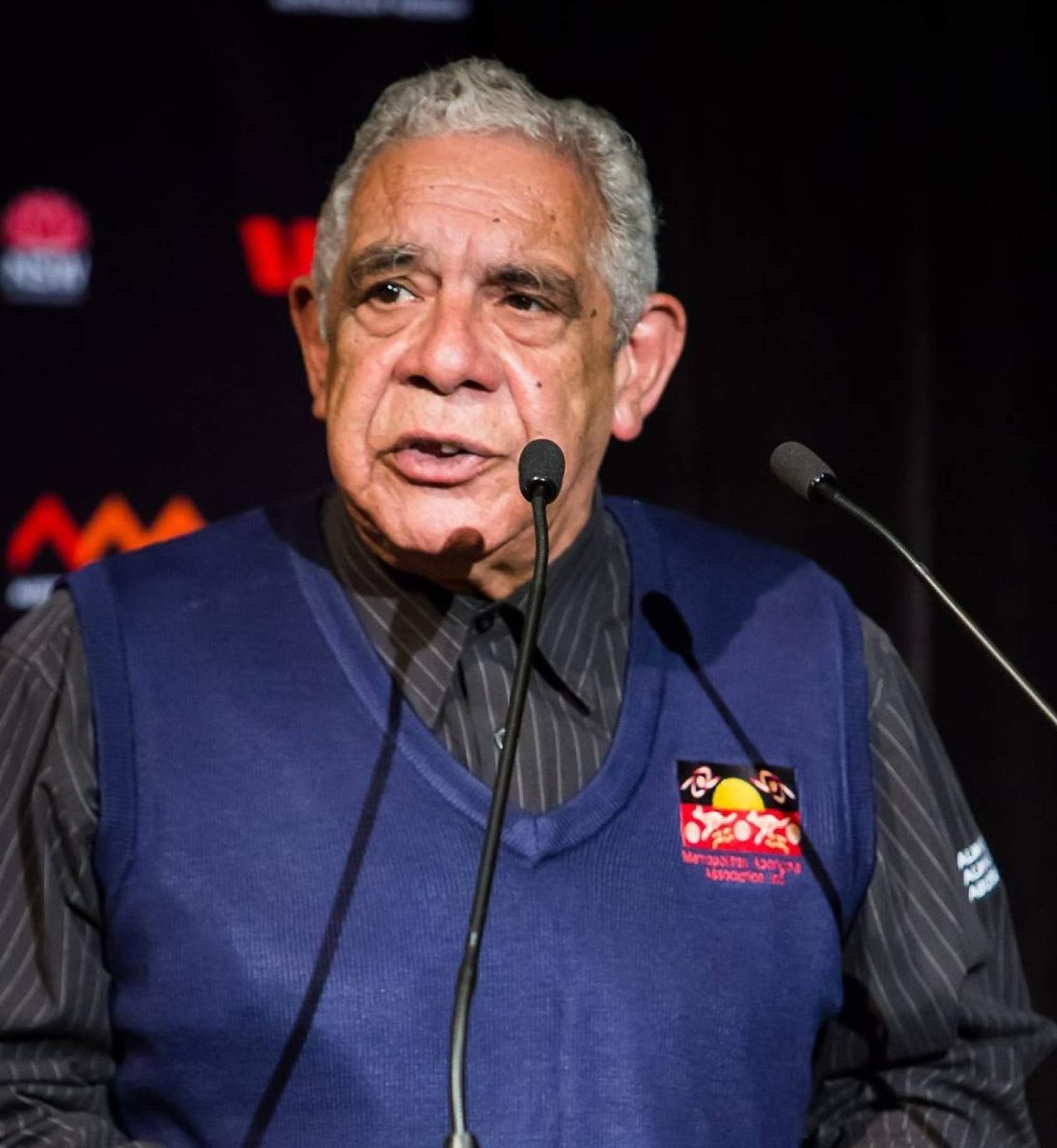
Uncle Allen John Madden




Alex Harper












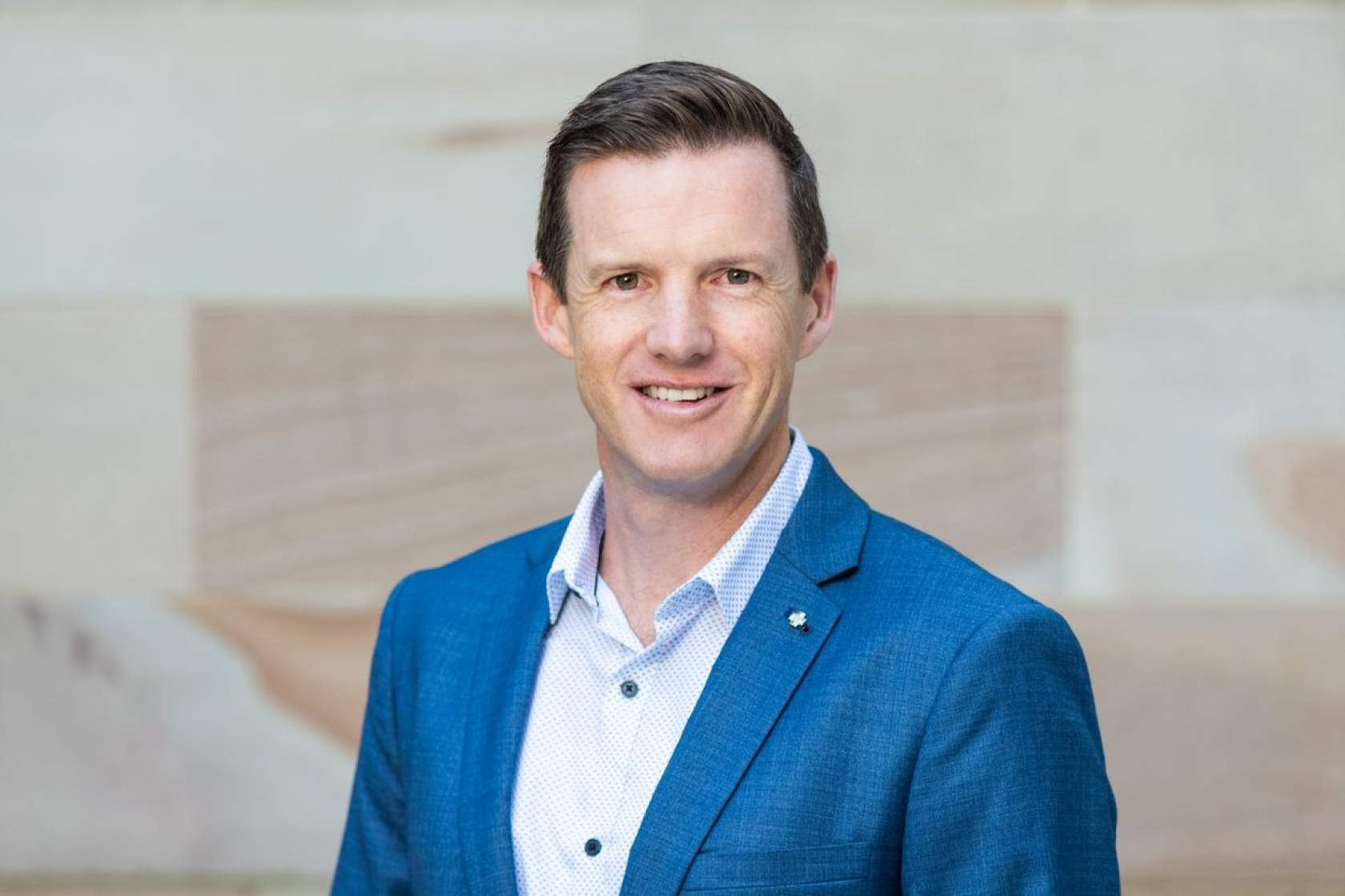
Arran Hassell

Sarah Matar

Kathryn McMullan





Darlene Grech





Dan Thomas







Kirsten Williams

Margaret Sexton

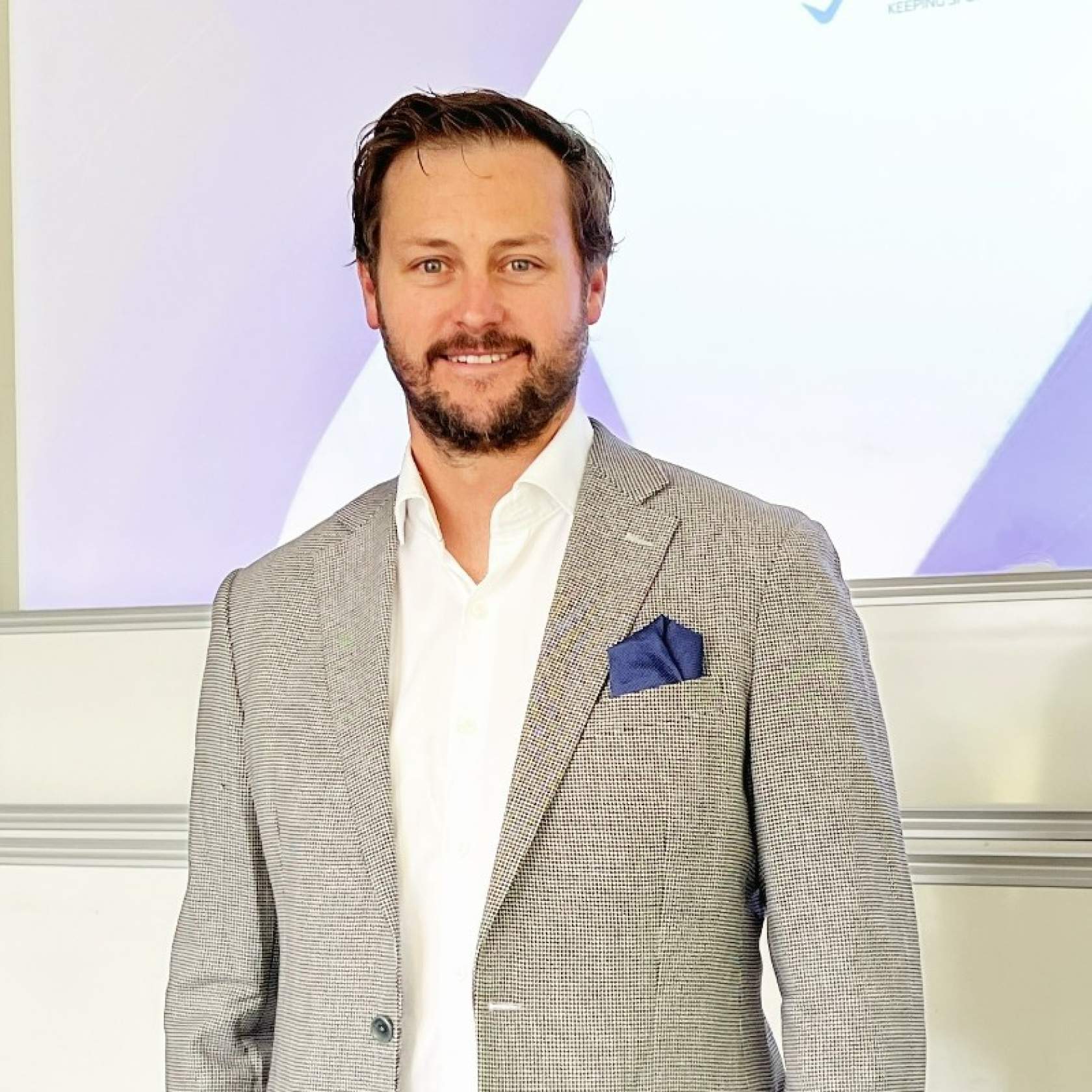


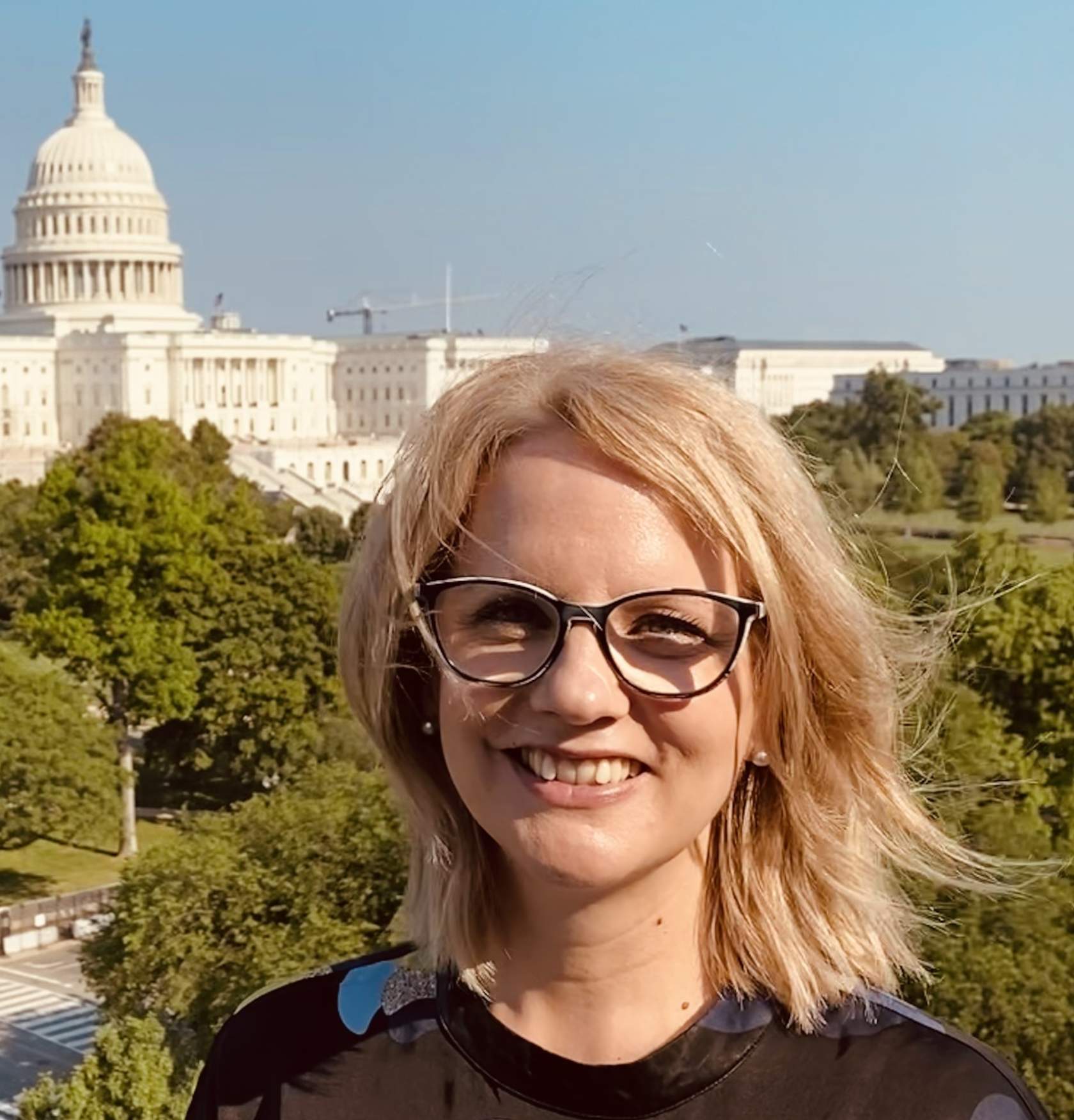


Sarah Bellhouse


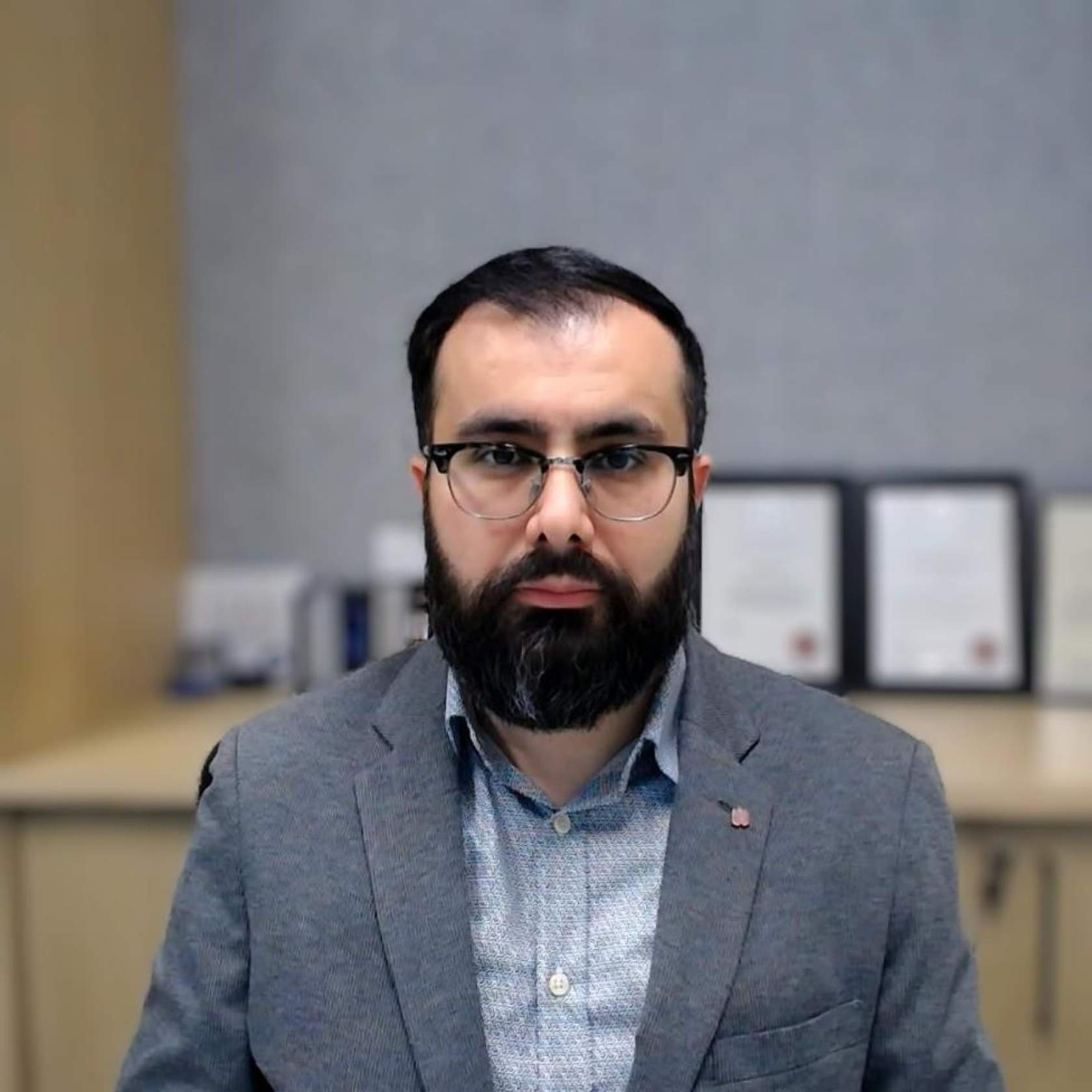
Inspector Osvaldo Painemilla
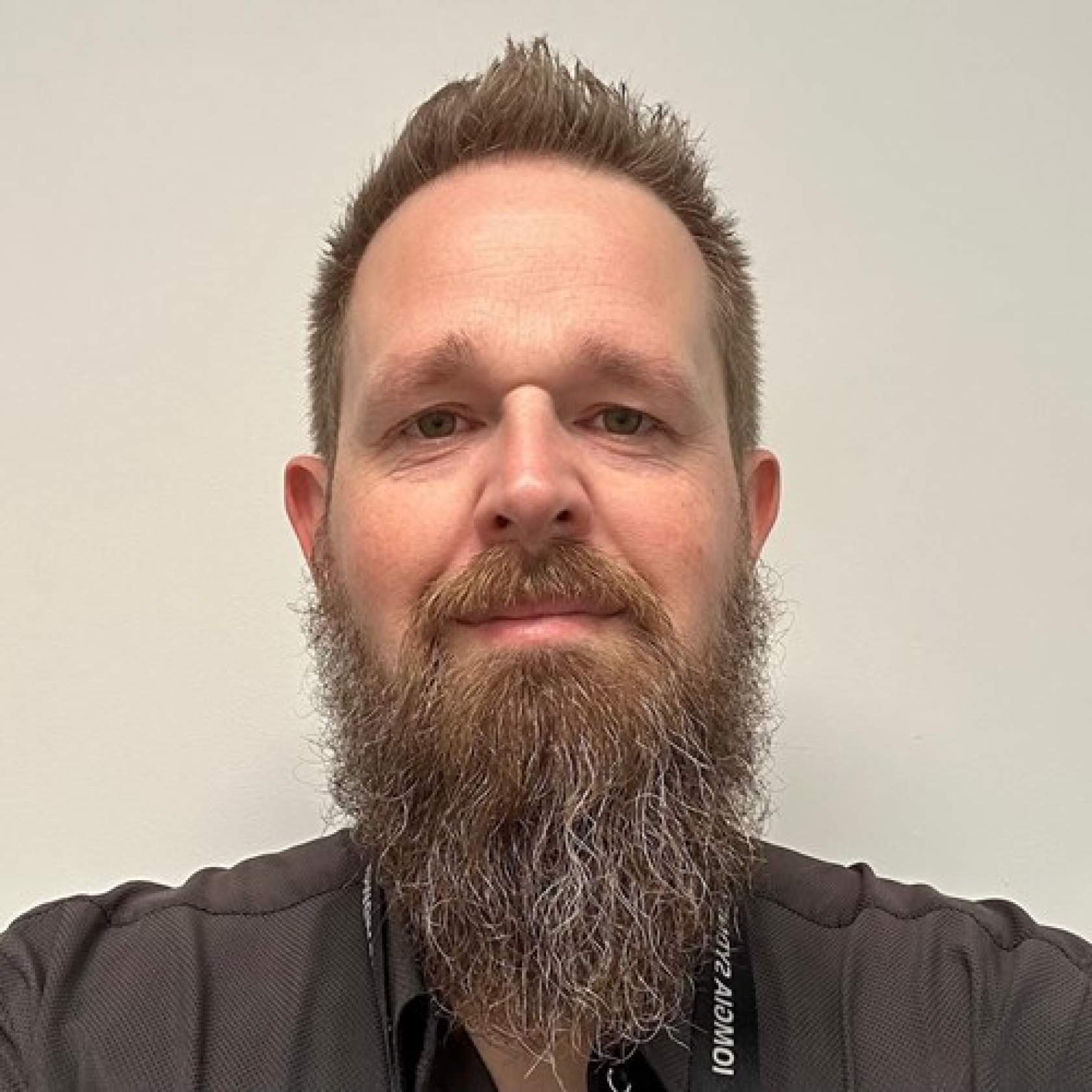
Anthony Macken

Jonathan Tottman

Nick McDonnell


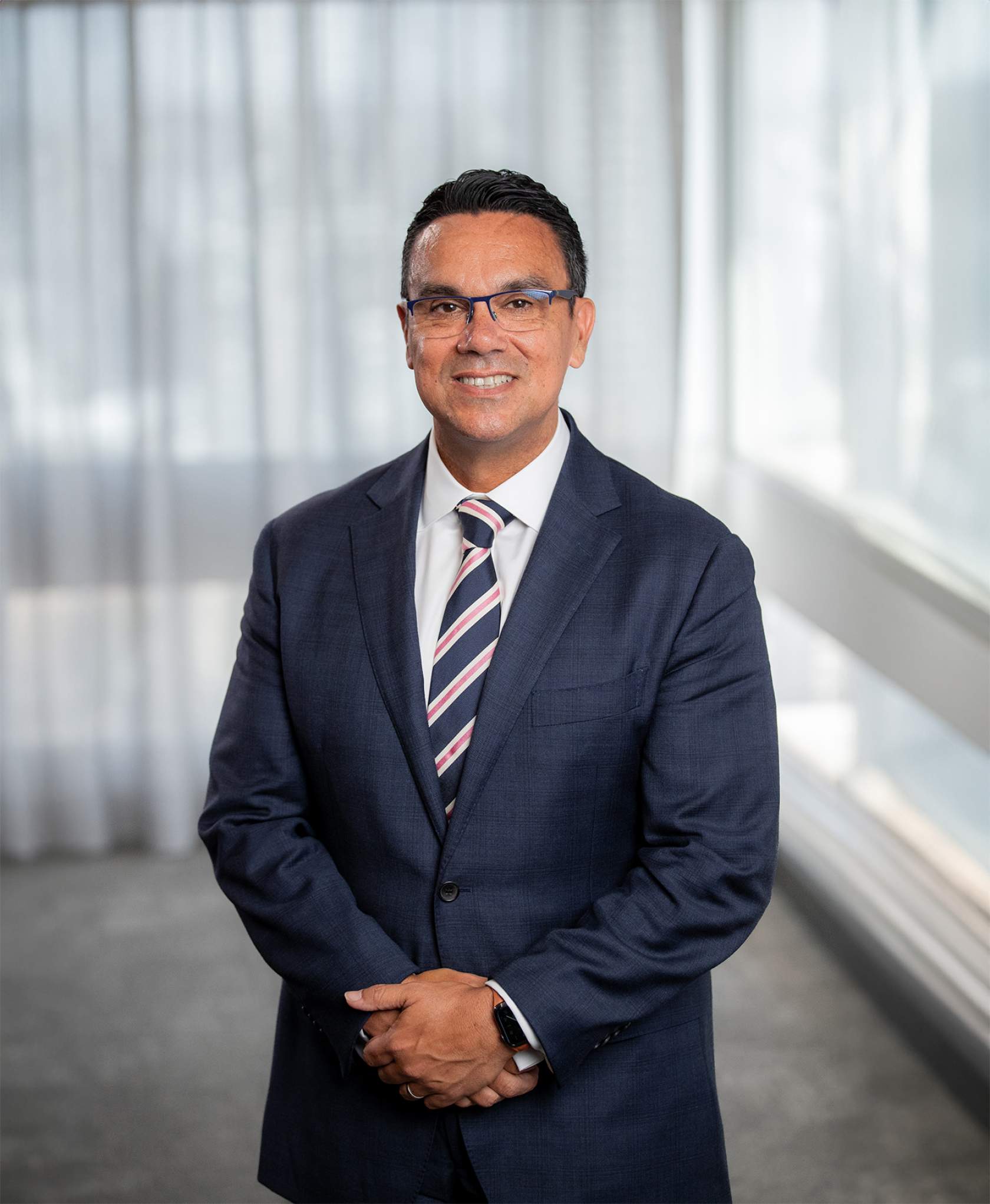
Brendan Thomas